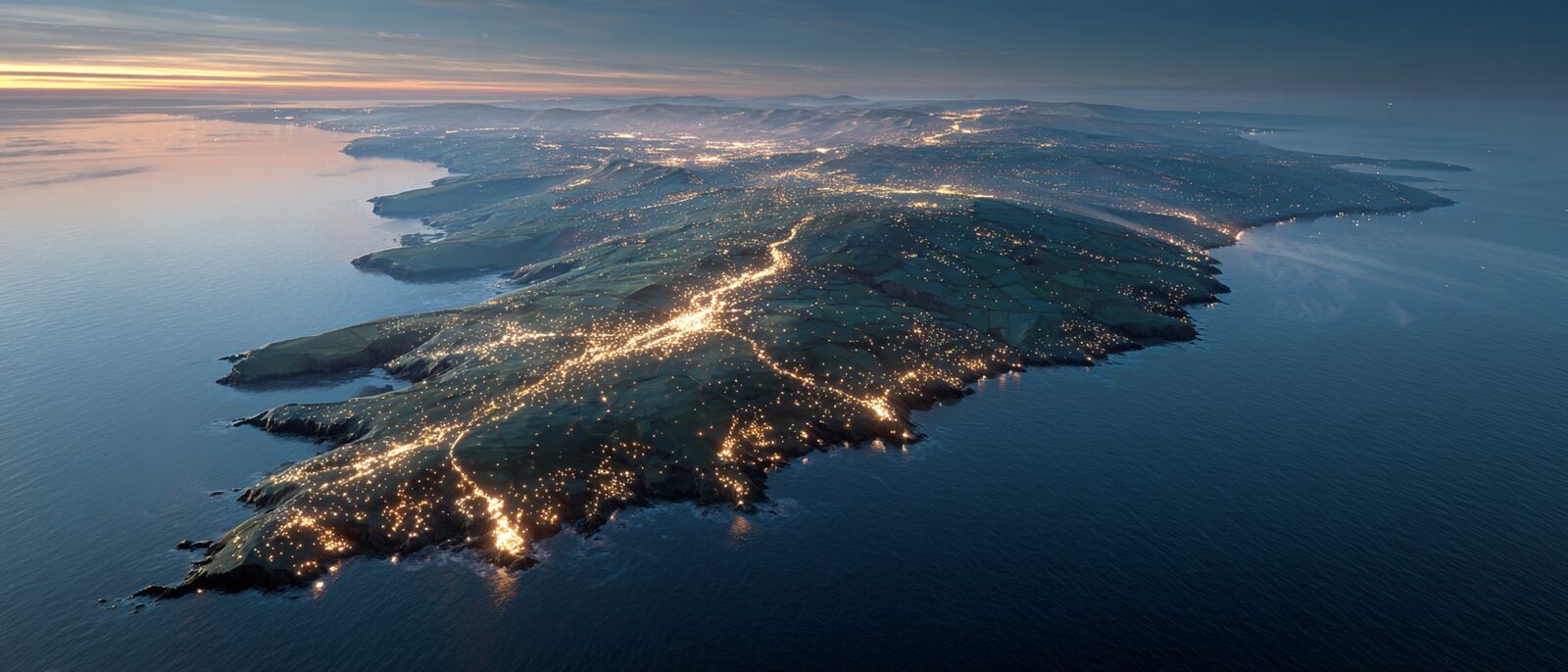
An exploration
Battery Island
The problem we thought we had
These explorations weave memory and present thinking — not records of what happened, but attempts to learn by holding the past and the present in the same frame. Why it reads this way →
For most of the last century the energy challenge appeared straightforward. We needed more power. More coal. More oil. More gas. More nuclear. More generation.
The assumption was simple. If society needed more energy, we built more capacity. The challenge was production.
Today that certainty is beginning to disappear. Across northern Europe vast amounts of offshore wind are being deployed. The North Sea is being transformed into one of the largest energy generation systems ever constructed. The scale is extraordinary. Not tens of megawatts. Not hundreds. Hundreds of gigawatts. Enough to reshape economies. Enough to reshape nations. Enough to reshape the relationship between Europe and energy itself.
Yet something unexpected has happened. The challenge is no longer simply generation.
The challenge is coordination.
Too much power
This sounds like a contradiction. For decades we worried about shortages. Now we increasingly find ourselves discussing abundance. Wind farms generating more electricity than the grid can absorb. Periods of excess production. Constraint payments. Volatility. Energy being available at the wrong time rather than not being available at all.
The problem has shifted. We are no longer asking how to generate electricity. We are asking what to do with it when we have it. This is a very different question. And it changes everything.
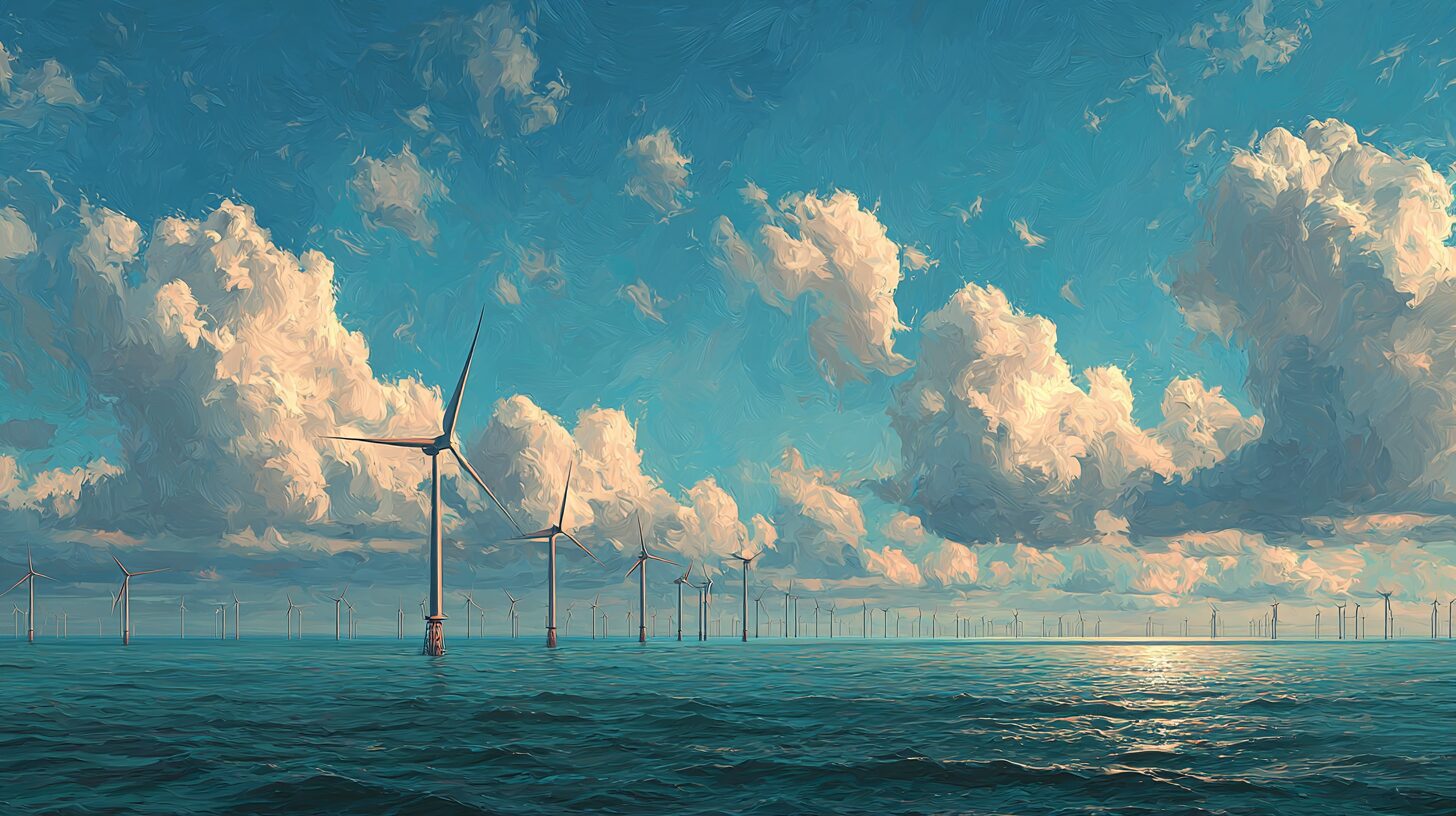
The artificial island
One response has emerged from the North Sea. Energy islands. Artificial platforms designed to gather electricity from multiple wind farms. Connect countries. Route power. Balance networks. Support infrastructure. Coordinate flows.
The concept is elegant. Rather than treating each wind farm as an isolated asset, they become components of a larger system. Generation. Transmission. Storage. Markets. Security. All planned together.
It represents a profound shift. The energy system is beginning to behave less like a collection of power stations and more like a network.
The island that already exists
Yet looking at the diagrams of artificial islands, I found myself wondering about something else. Why build an island when one already exists?
The Isle of Man sits in the centre of the Irish Sea. Between Britain and Ireland. Close to existing and future offshore energy developments. Connected culturally to multiple jurisdictions. Connected politically to none of them completely. An island. A community. A government. A legal system. A functioning energy network.
The remarkable thing about the Isle of Man is not its geography. It is that it already possesses something every artificial energy island lacks. Life. Real people. Real governance. Real consequences. Real complexity.
From energy island to island system
The insight emerged gradually. The Isle of Man should not be viewed as a place to build infrastructure. It should be viewed as a place to learn.
Europe is embarking on one of the largest infrastructure transformations in its history. Cross-border electricity flows. Energy storage. Market integration. Grid balancing. Security. Resilience. Governance. Each raises difficult questions. How should electricity move between countries? Who benefits? Who decides? How should prices be managed? How should resilience be protected? How should storage be deployed? How should communities participate?
These questions are difficult to answer in theory. They become easier to answer in practice.
The Isle of Man offers something rare. A bounded system large enough to matter and small enough to understand.
The island battery
Most people imagine a battery as a single object. A box. A device. A facility. The future may look very different. The island itself becomes the battery. Not a single storage asset. A system.
All coordinated. All responding. All contributing. Individually these assets appear modest. Collectively they behave as one.
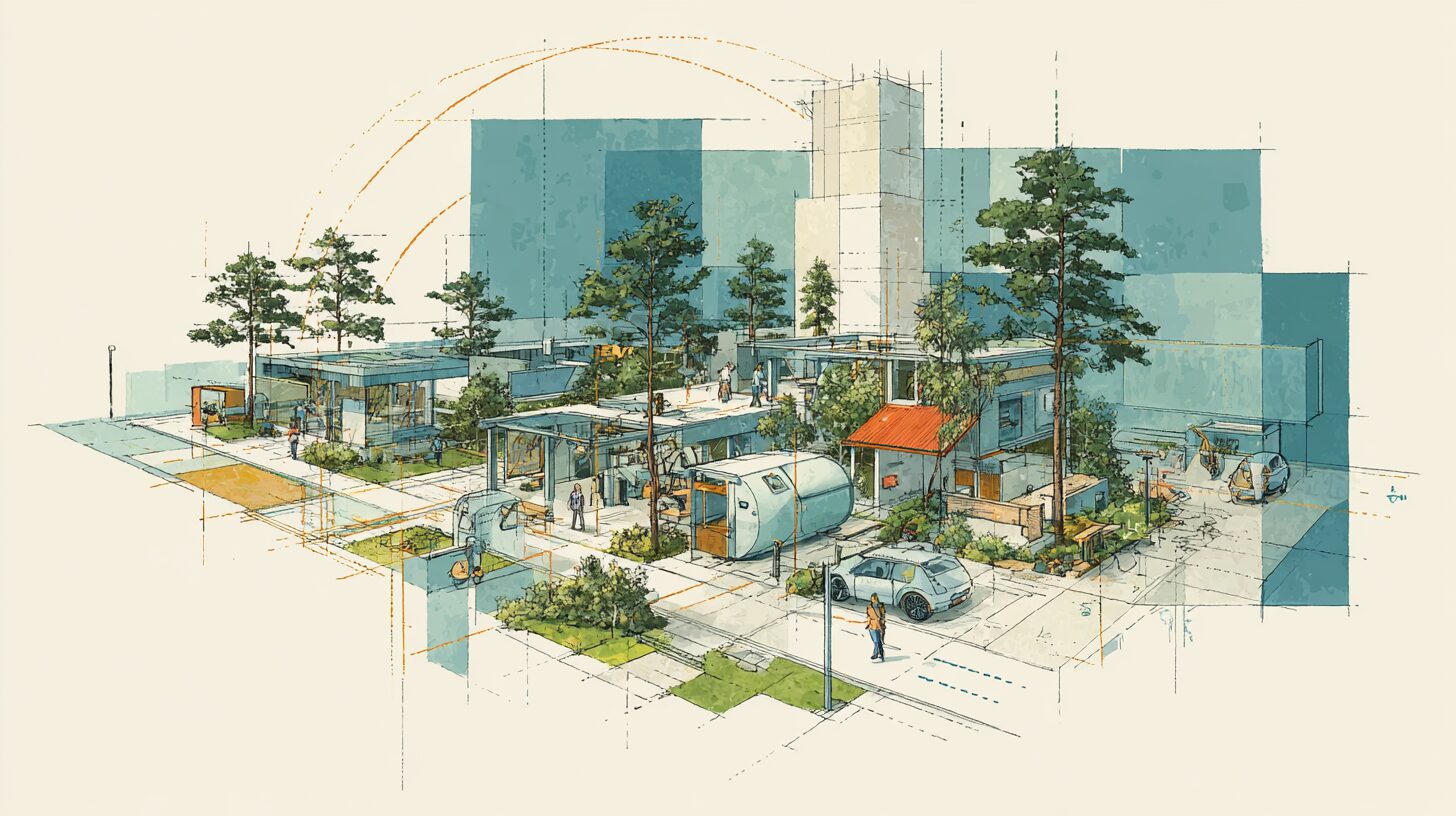
The invisible layer
This is where the story becomes less about energy and more about information. The physical assets are important. But they are not the innovation. The innovation lies in coordination.
A virtual power plant. Digital control systems. Forecasting. Weather models. Market signals. Demand response. Artificial intelligence. The ability to treat thousands of separate decisions as a single system.
The same transformation is occurring everywhere. Transport networks are becoming information networks. Food systems are becoming information systems. Cities are becoming information systems. Energy is following the same path. The grid is becoming intelligent.
Learning before we build
The thing that most interests me about the Isle of Man is not the technology. It is the opportunity to experiment. Large nations struggle to experiment. Mistakes are expensive. Failures become political. Innovation becomes difficult.
An island is different. An island allows learning. What happens when storage is prioritised over generation? What happens when markets are designed differently? What happens when resilience becomes more important than short-term profit? What happens when communities participate in energy ownership? What happens when artificial intelligence helps coordinate an entire energy system? These questions can be tested. Observed. Refined. Improved.
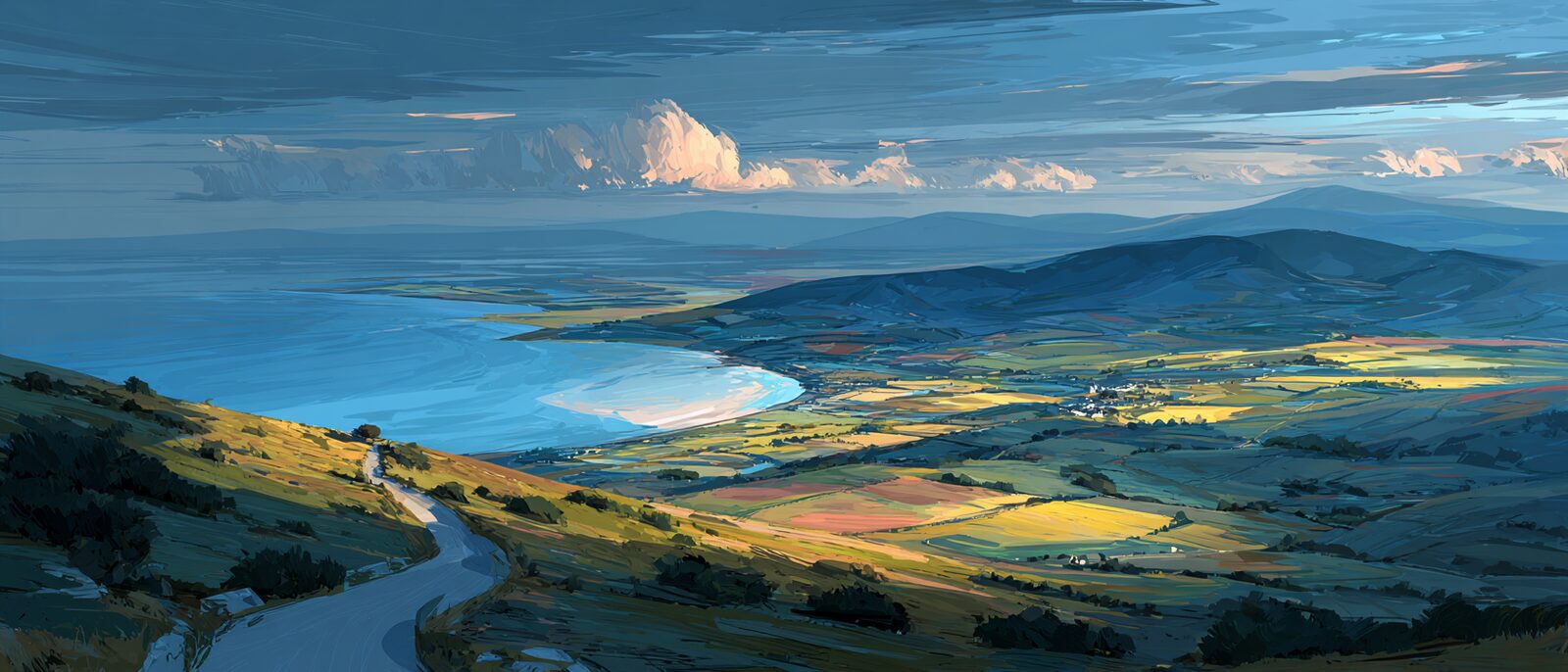
The island becomes a laboratory. Not isolated from the future. A prototype of it.
The value of storage
For most of the industrial age value came from extraction. Digging things up. Burning them. Moving them. Consuming them. The energy transition changes this logic. Increasingly value comes from timing. Knowing when to store. Knowing when to release. Knowing when to share. Knowing when to wait.
This is a subtle shift. But an important one. The future energy system may depend less on how much power we generate and more on how intelligently we manage abundance. Storage becomes a strategic asset. Flexibility becomes a strategic asset. Coordination becomes a strategic asset.
The battery is no longer an object. It becomes a capability.
The edge of the future
Looking back, islands have often occupied a curious position in human history. They are close enough to participate. Far enough away to experiment. New ideas frequently emerge at the edges before they move to the centre.
The Isle of Man has an opportunity to occupy precisely this role. Not as a passive recipient of infrastructure. Not as a convenient location for cables. Not as a small player standing between larger ones. But as a place where the next generation of energy systems can be understood. A place where technology, governance and community meet. A place where the future can be tested before it is deployed at continental scale.
Battery Island
At first glance this appears to be a story about energy. It is not. It is a story about systems.
For two centuries we have focused on production. More factories. More roads. More power stations. More capacity. The challenge ahead is different. The challenge is learning how complex systems behave when they become intelligent.
The North Sea is becoming an energy network. The question is not whether that network will emerge. It already is. The question is how we learn to govern it. How we ensure it remains resilient. How we ensure it remains fair. How we ensure it serves people rather than simply markets.
The Isle of Man offers an unusual possibility. A chance to learn before we commit. A chance to experiment before we scale. A chance to discover that the most valuable battery in the future energy system may not be a piece of technology at all.
It may be an island.