An exploration
Farm in a Box
Growing demand
These explorations weave memory and present thinking — not records of what happened, but attempts to learn by holding the past and the present in the same frame. Why it reads this way →
For most of human history the relationship between food and place was obvious.
Food travelled, but usually not very far. Production and consumption were woven together through a network of relationships. Farmers. Markets. Shopkeepers. Families. Communities. The system was imperfect. But it was visible.
Today the system remains remarkable, but it has become increasingly invisible. Food arrives. We rarely know from where. The producer is hidden. The journey is hidden. The decisions that determined what was grown, where it was packed and how it was distributed are hidden. The system works exceptionally well. Yet something has been lost. The relationship between place and food has become abstract.
The vegetable box
The idea began with a simple observation. Vegetable box schemes were becoming increasingly popular. Consumers liked them. Fresh produce. Regular delivery. A closer relationship with food. A sense of seasonality.
Yet many of these systems remained highly centralised. Produce travelled considerable distances. Packing occurred elsewhere. Distribution was organised nationally. The customer was local. The system was not.
The question emerged almost accidentally. What would happen if we turned the model inside out? What would happen if food systems started with the community rather than the supplier?
Looking for demand
Conventional agriculture begins with land. A farmer decides what to grow. The crop is planted. The harvest arrives. The challenge then becomes finding customers.
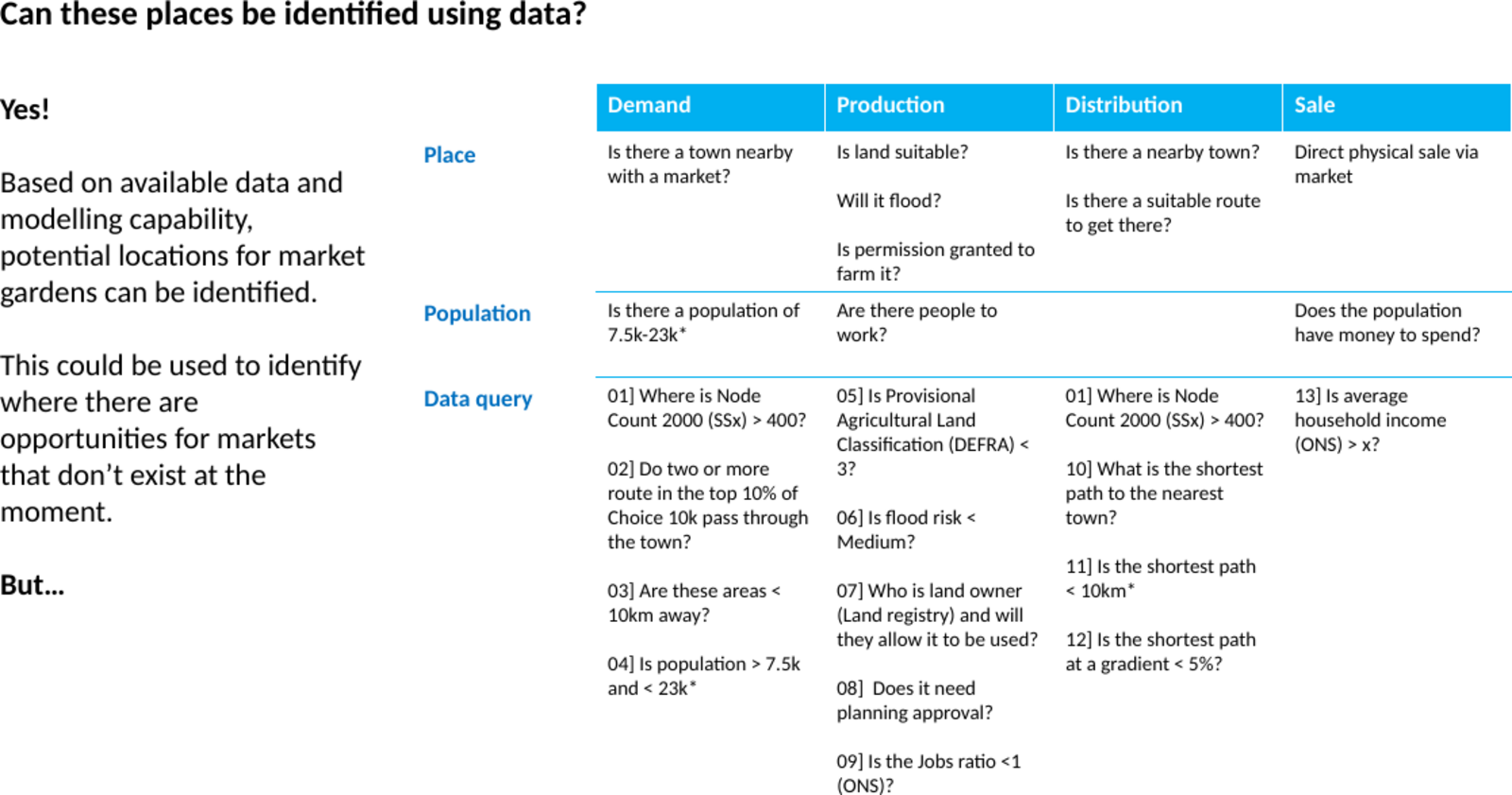
Farm in a Box proposed the opposite. Start with demand. Find the people who want local food. Find the schools. Find the hospitals. Find the universities. Find the prisons. Find the army camps. Find the businesses. Find the households. Map what they buy. Understand what they need. Understand how often they need it. Only then begin asking what should be grown.
The shift appears subtle. In reality it changes everything. The market exists before the seed enters the ground.
The person with passion
The most important ingredient was never land. It was never technology. It was never funding. It was always people.
Every community contains individuals who want to make things happen. People who care about food. About farming. About local economies. About health. About opportunity. The challenge is not finding these people. The challenge is making it easy for them to act.
Most ideas fail not because people lack enthusiasm but because they encounter complexity. Finding customers. Designing surveys. Creating flyers. Building mailing lists. Understanding regulations. Preparing business plans. Contacting institutions. Gathering evidence. The administrative burden overwhelms the initial enthusiasm. The energy dissipates. Nothing happens.
Farm in a Box was an attempt to automate the difficult parts.

Infrastructure for enthusiasm
Imagine someone deciding they want to create a local food initiative. Traditionally they begin with uncertainty. Who would buy? How much? What crops? What land is available? How would products be delivered?
The Farm in a Box model sought to answer these questions automatically. Demand surveys. Community outreach. Email campaigns. Business planning. Market analysis. Distribution modelling. Institutional engagement. Each step becoming easier. Each step reducing friction.
The objective was not to replace human effort. It was to focus human effort where it mattered most. Building relationships. Creating trust. Inspiring participation.
The technology became infrastructure for enthusiasm.
The return of the market garden
The market garden is one of the most overlooked innovations in British history. Small-scale production. High diversity. Direct connection to customers. Deep local knowledge.
The twentieth century largely replaced this model with industrial agriculture. The reasons were understandable. Scale reduced costs. Mechanisation increased productivity. Cold chains enabled longer distribution routes. Supermarkets transformed retail. The system evolved towards concentration.
Yet concentration created vulnerabilities. Long supply chains. Dependence on distant producers. Reduced diversity. Weakening relationships between communities and food production. Farm in a Box was not an attempt to reject modern agriculture. It was an attempt to rediscover the strengths of local production and connect them to modern technology.
Growing more than food
As the idea developed, it became clear that agriculture was only part of the story. The process revealed opportunities far beyond food. Young people could engage with farming. Schools could become partners. New crops could be trialled. Skills could be developed. Entrepreneurship could emerge. Communities could build stronger relationships with local producers.
The system also revealed something else. Workforce opportunities. Who was currently excluded from employment? Who wanted flexible work? Who needed a different structure? Who possessed valuable skills but lacked opportunities? Agriculture became a lens through which wider questions about participation and inclusion could be explored.
The project was growing vegetables. It was also growing capability.
The local distribution hub
The further the thinking progressed, the more the distribution system became important. How should produce move? By cargo bike? By electric vehicle? Through local collection points? Could storage be shared? Could washing and packaging be shared? Could multiple producers collaborate? Could institutional demand provide stability while households provided diversity?
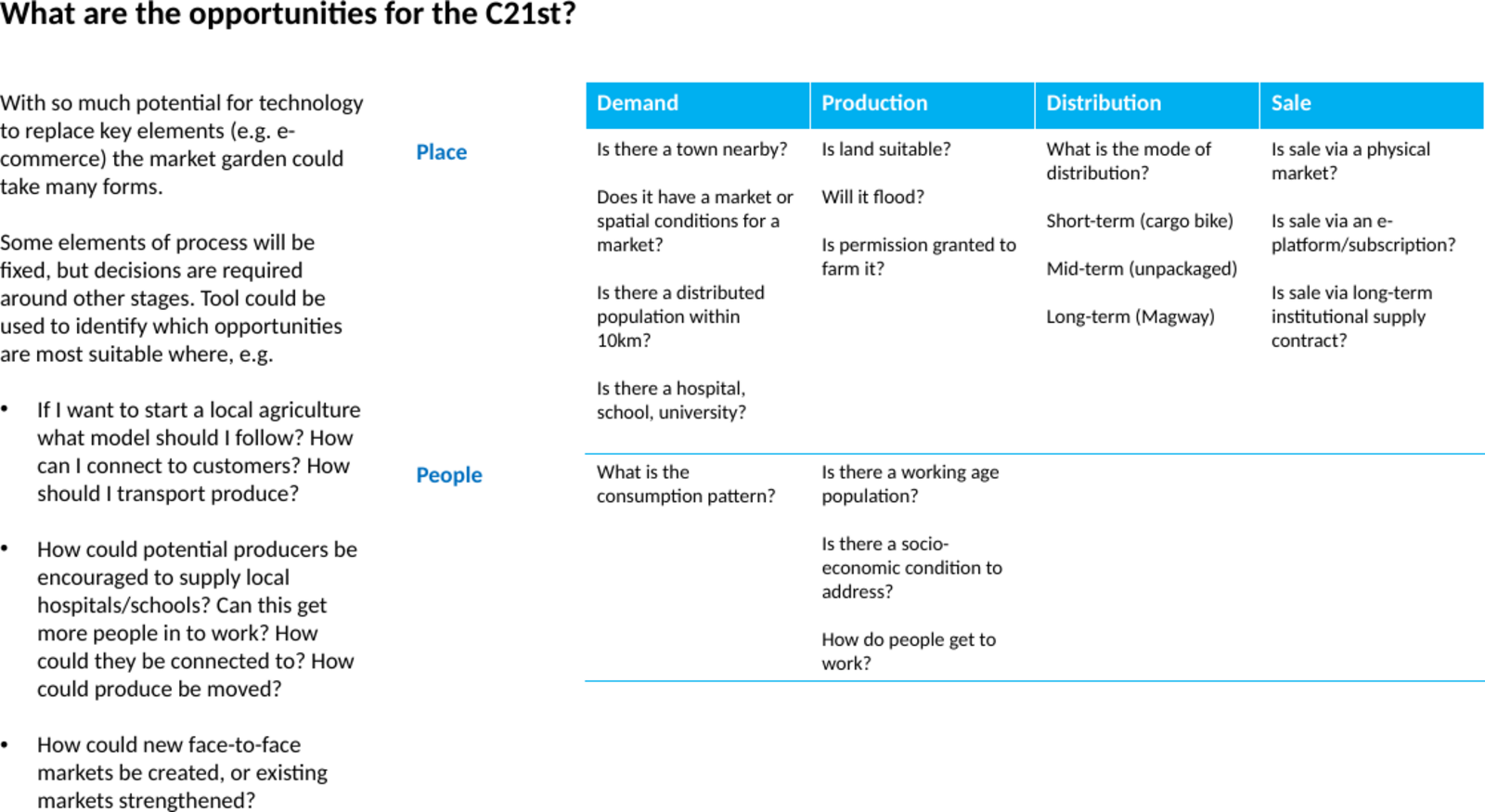
The answers varied by location. That was precisely the point. The system was not a franchise. It was a framework. A method for helping communities discover what worked in their own circumstances.
Before the seed
The phrase I keep returning to is simple. Know the market before the seed enters the ground.
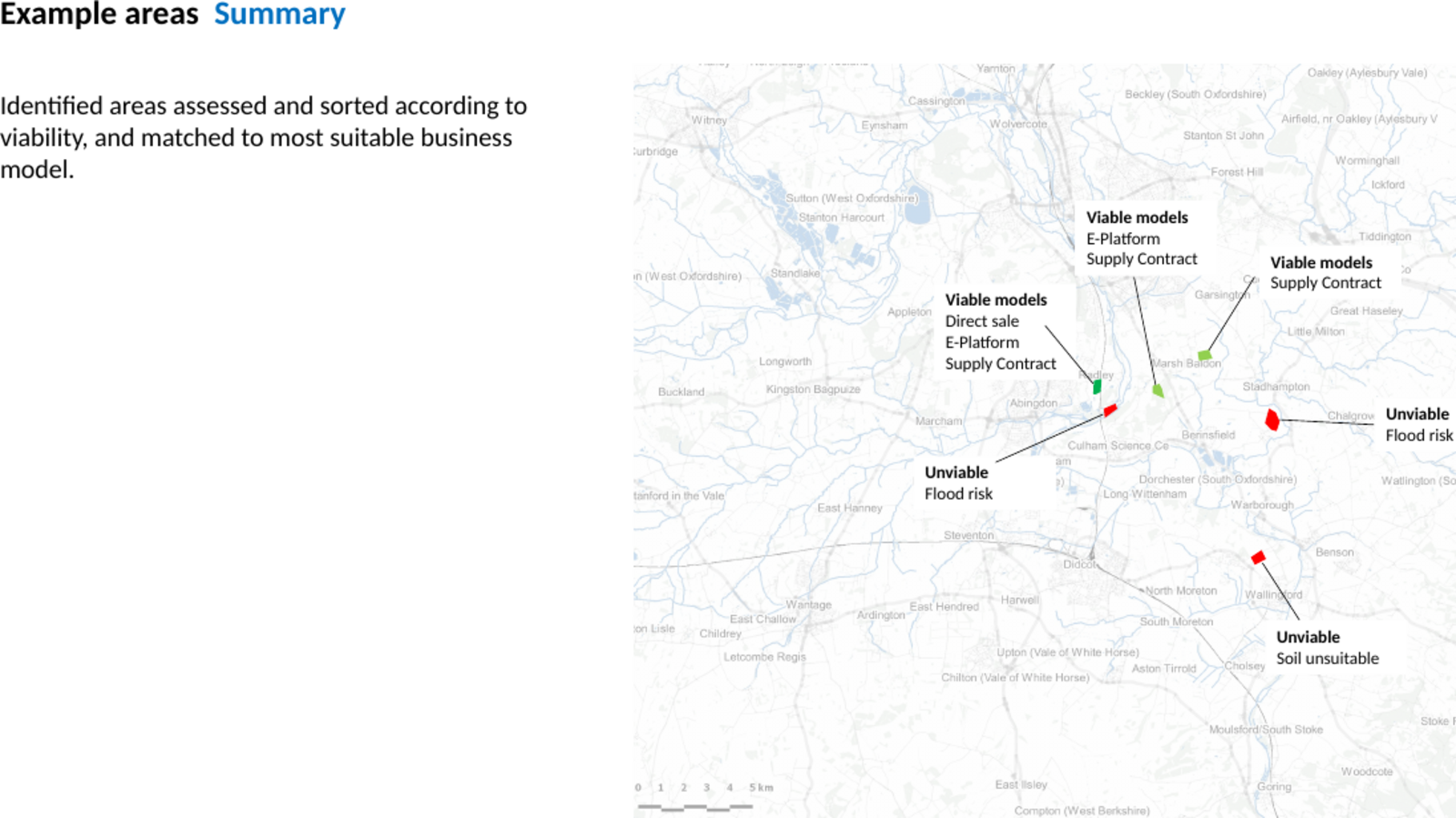
Historically farmers carried much of the risk. They planted. They invested. They hoped. The Farm in a Box model sought to reduce uncertainty. Not through subsidy. Not through prediction. Through connection. Connection between consumers and producers. Connection between institutions and communities. Connection between people with ideas and people with land. The technology was valuable because it enabled these relationships to form more easily.
A different kind of agriculture
Looking back, I realise the project was never really about farming. It was about coordination.
For most of the twentieth century scale solved coordination problems. Large companies. Large distributors. Large retailers. Large systems. Today information changes the equation. Artificial intelligence changes it further. The ability to understand demand, automate outreach, model logistics and coordinate distributed activity creates possibilities that did not previously exist. Local systems become viable. Small systems become viable. Human-centred systems become viable.
Not because they are more efficient than industrial agriculture. But because they can become efficient enough.
Farm in a Box
The name always sounded modest. A practical toolkit. A process. A set of templates. Yet beneath it sat a much larger question. How do communities regain agency? How do people participate in shaping the systems that sustain them? How do we reconnect producers and consumers? How do we create opportunities before asking for investment? How do we reduce risk before asking people to commit?
The answer was not a farm. The answer was not a box. The answer was a network. A network of people, relationships, knowledge and demand. The farm simply emerged from it.
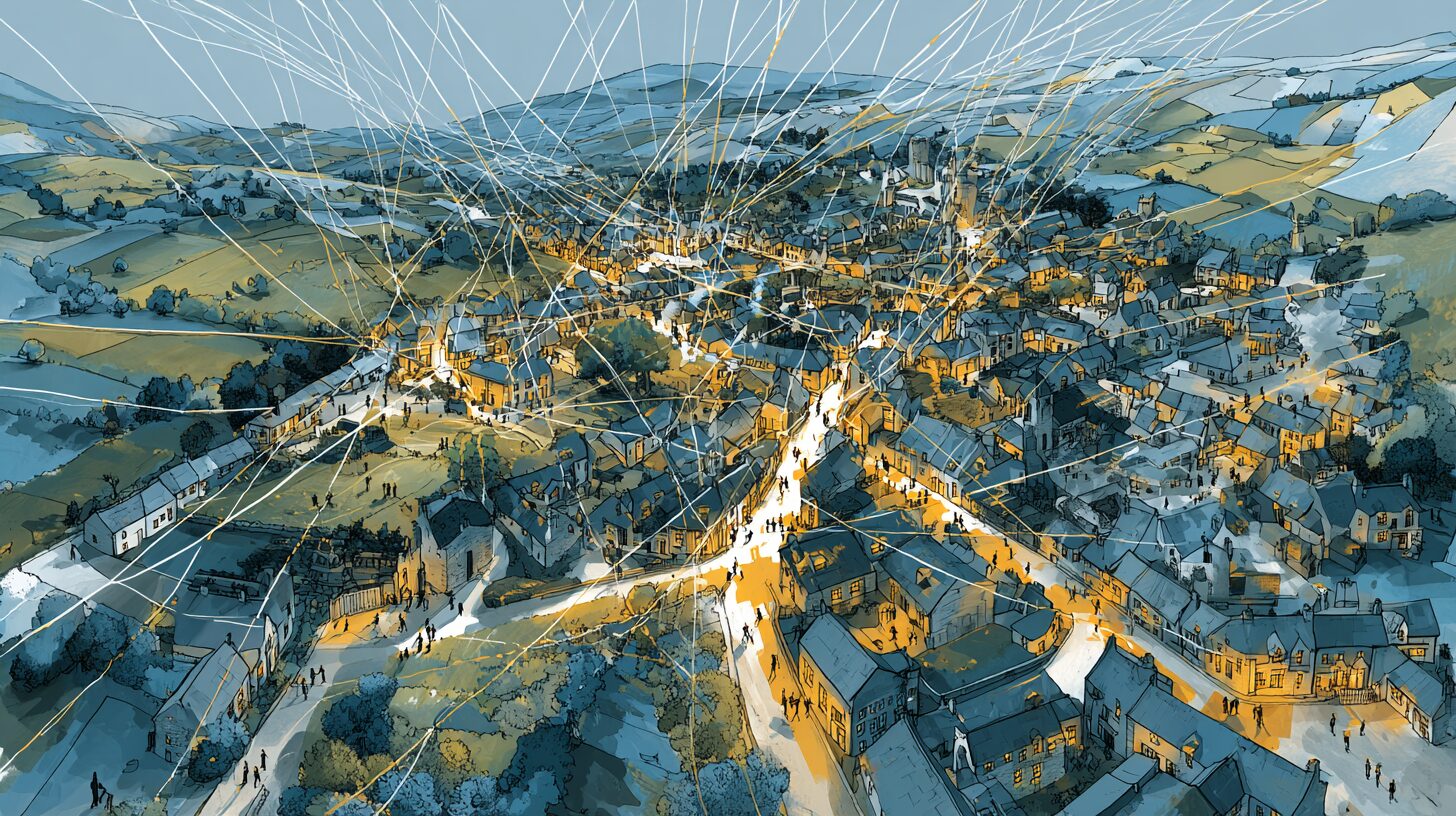
Just as a market emerges from a community. Just as a crop emerges from a seed. Just as the most resilient systems often emerge when people discover they are capable of doing more together than they ever could alone.