An exploration
Letting the Water Back In
A reflection on time, change and learning to live with moving landscapes
These explorations weave memory and present thinking — not records of what happened, but attempts to learn by holding the past and the present in the same frame. Why it reads this way →
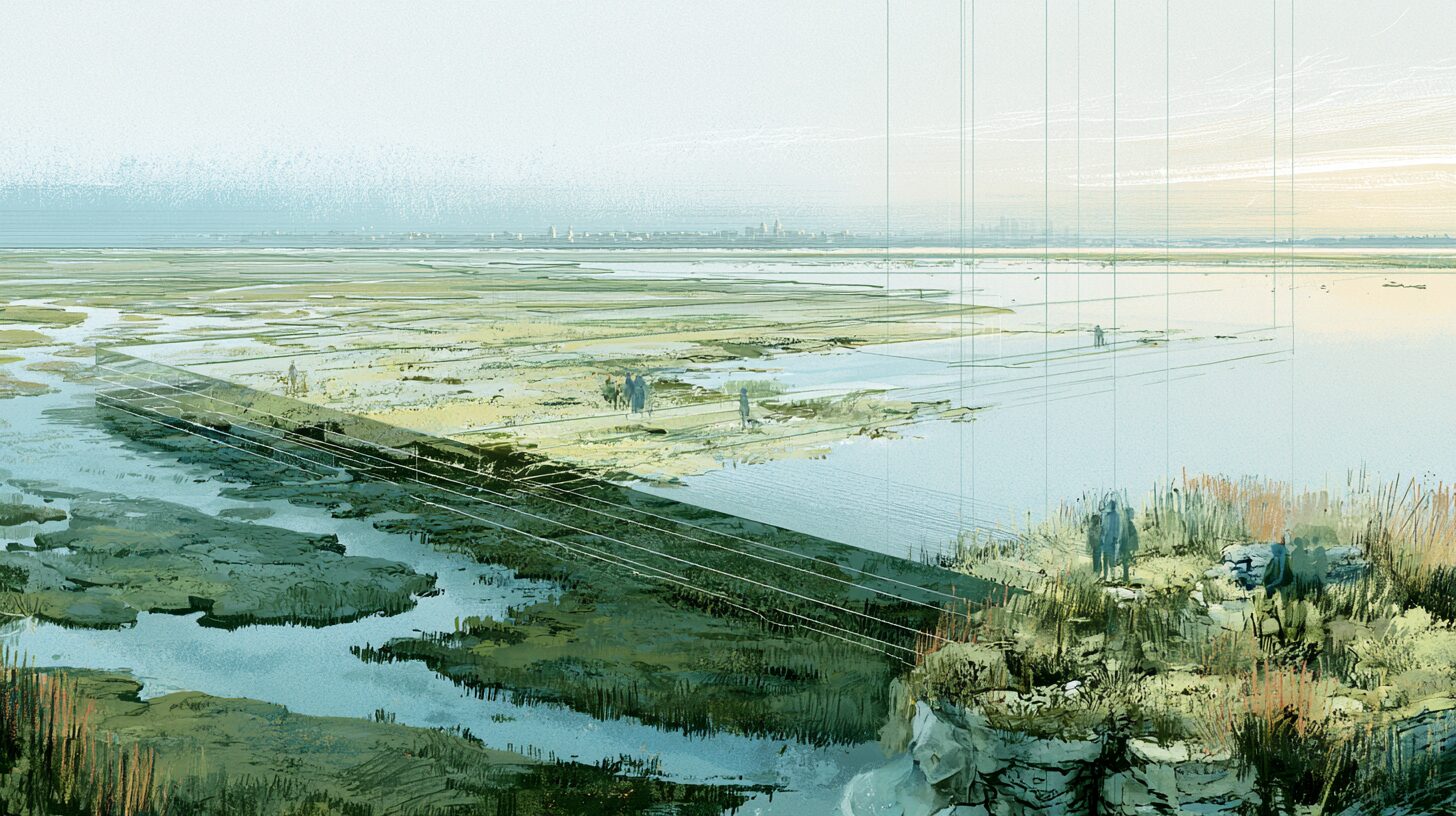
The thought began while working on Thames Hub, a proposal for a new airport in the Thames Estuary. At the time the debate was dominated by transport capacity, economic growth, aviation strategy and the future of Heathrow. Yet one of the most interesting conversations was taking place elsewhere.
Along the foreshore.
Local environmental groups were fighting to protect habitats that would be affected by development. They knew every creek, mudflat and marsh. They volunteered weekends and evenings. Their commitment was genuine and their knowledge deep. They understood that these places mattered.
The question that troubled me was not whether they were right. The question was whether we were asking the right question.
As the project developed we began looking beyond the immediate planning horizon. An airport of that scale would take years to gain approval and years more to build. Any meaningful assessment therefore required us to look decades ahead. That changed the conversation.
Reports on sea-level rise, coastal erosion, tidal surge risk and climate projections suggested that the Thames Estuary of the future would not be the Thames Estuary of today. Regardless of whether an airport was built, the landscape itself was changing.
The implication was profound. If the coastline was moving, if habitats were migrating, if saline water was advancing inland and if the physical conditions that supported existing ecosystems were evolving, then conservation could not simply be about preserving the present.
It had to be about preparing for the future.
That thought has stayed with me ever since.
The problem with frozen landscapes
Much of modern environmental debate is framed around protection. Protect habitats. Protect species. Protect landscapes. Protect coastlines. The instinct is understandable. Many of the places we value are under pressure and many have already been damaged by human activity.
Yet there is a subtle danger hidden within the language of protection. It assumes that the landscape we see today is the landscape that ought to exist tomorrow.
Nature rarely works that way.
The natural world is not static. It is a continuous process of adjustment. What has changed is that human timescales and political timescales have become disconnected from ecological ones. Planning cycles operate over years. Political cycles operate over months. Ecological systems often operate over decades or centuries.
As a result, we have become accustomed to treating change as an interruption rather than a condition.
The birds know something we don't
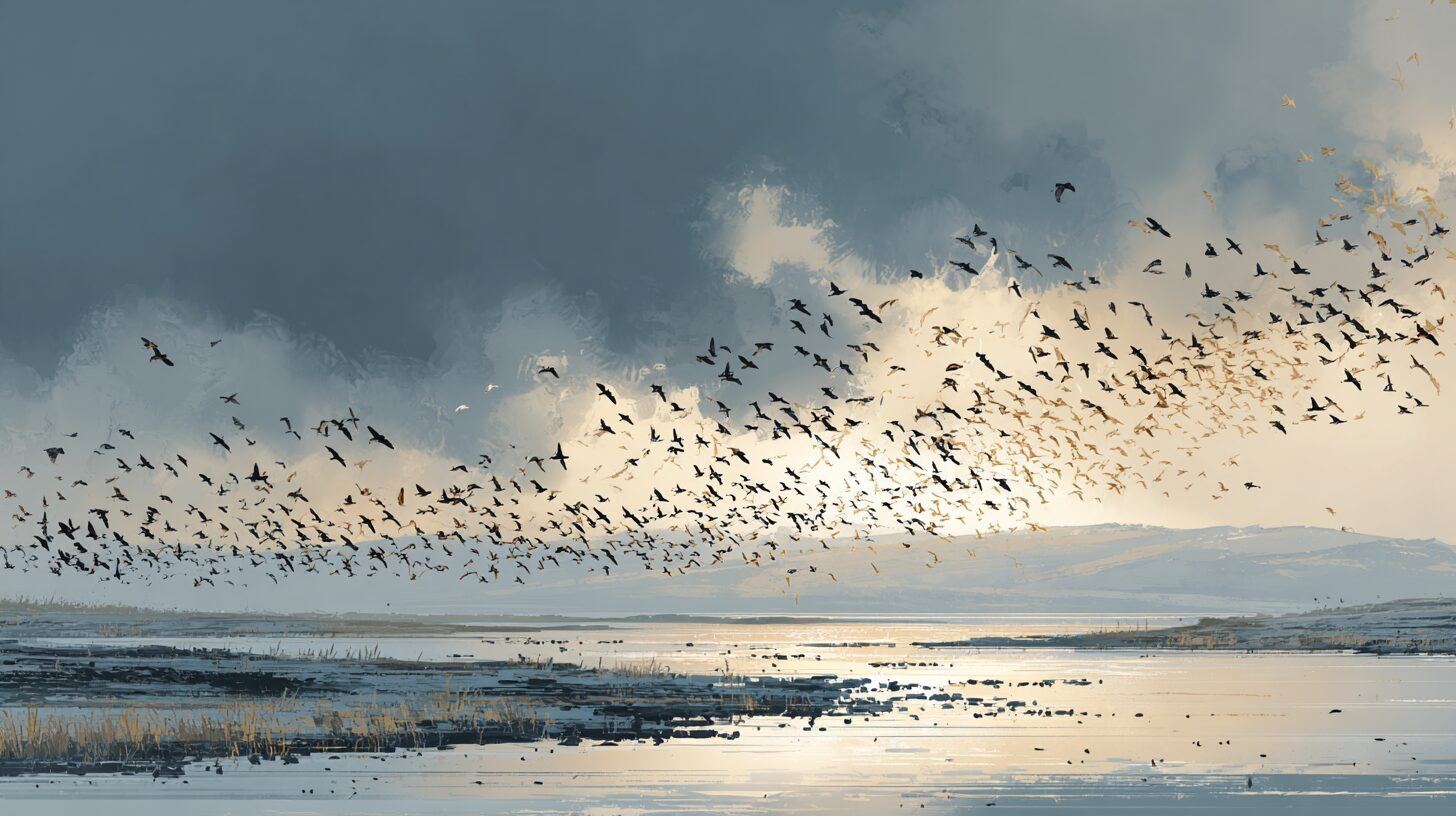
Migratory birds offer an interesting lesson. A bird population does not wake up one spring morning and collectively decide to abandon a route it has followed for generations. Change occurs gradually. Feeding grounds become less productive. Alternative habitats become more attractive. Weather patterns shift. Populations slowly redistribute. Adaptation happens over time.
The important point is that the birds do not wait for a crisis. The process begins long before a human observer notices it.
That suggests a different way of thinking about conservation. Instead of asking “How do we preserve this exact habitat forever?” perhaps we should ask “How do we ensure ecological function survives through transition?”
If a habitat is likely to disappear over the next fifty years, replacement habitat should not be created after the loss. It should be created while the original still exists. Species need time to adapt. Nature needs time to adapt. People need time to adapt.
The future has to arrive before it is needed.
The Victorian bargain
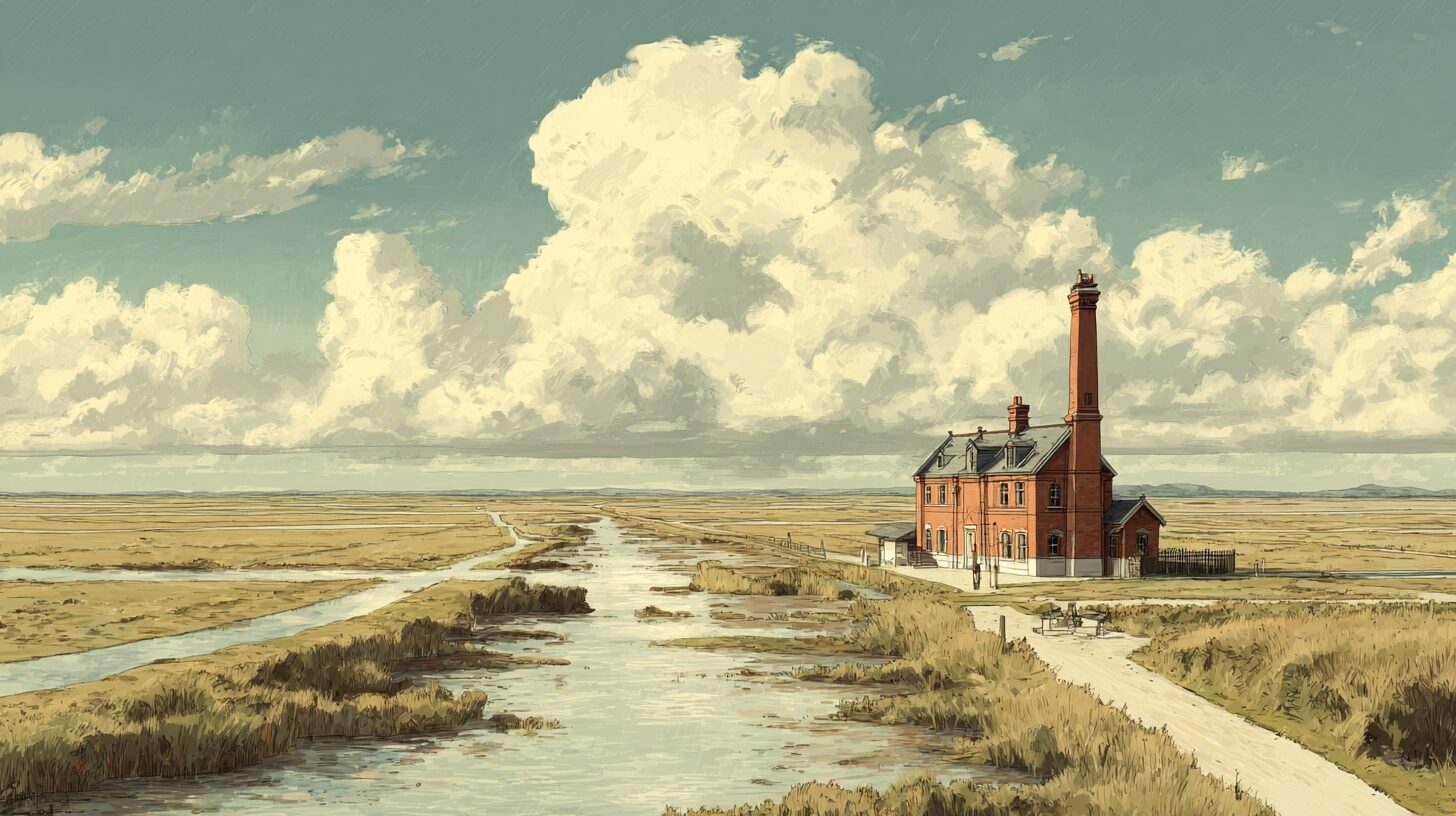
The argument became even clearer when looking beyond the Thames. From the estuary north towards the Wash lies one of the most extraordinary engineered landscapes in Britain. The Fens.
Much of this landscape exists because generations of engineers, labourers and farmers systematically pushed water back. Drainage channels. Embankments. Pumping stations. Sluices. The Victorians transformed vast areas of wetland into productive agricultural land.
The result was remarkable. Today the region supplies a significant proportion of the nation’s food and supports thriving communities, businesses and infrastructure. Yet beneath that success lies a simple truth. Much of the landscape exists because it is actively maintained. The apparent permanence is an illusion.
As sea levels rise, as peat soils shrink, as storm events intensify and as saline water begins to place increasing pressure on freshwater systems, the assumptions that underpin the landscape begin to change. This does not mean the Fens will suddenly disappear beneath the sea. It means the relationship between land and water is entering a new phase.
The question is not whether change will occur. The question is whether we prepare for it.
Nature is not asking permission
The climate debate has understandably focused on emissions. For more than three decades the central challenge has been reducing humanity’s impact on the atmosphere. That remains essential. We should continue to decarbonise with urgency.
But something else has become apparent. We underestimated the inertia of the system. The atmosphere remembers. The oceans remember. The land remembers. The consequences of past emissions continue to work their way through the climate system long after the emissions themselves occur.
This means that even if emissions fall rapidly, environmental change will continue to unfold.
The challenge is not to freeze a landscape in time but to become active participants in its evolution. Conservation then becomes less about preserving the past and more about preparing the future.
The politics of preparation
This leads to a broader question. What if our greatest failure is not that change is occurring? What if our greatest failure is that we continue to treat predictable change as a surprise?
Again and again we defend a line until it fails. A flood occurs. A habitat disappears. A species declines. An industry collapses. A community struggles. Then we react.
But if we know the direction of travel, why are we waiting? Why are we not investing earlier? Why are we not creating replacement habitats before they are needed? Teaching new skills before industries decline? Strengthening communities before disruption arrives?
Learning locally
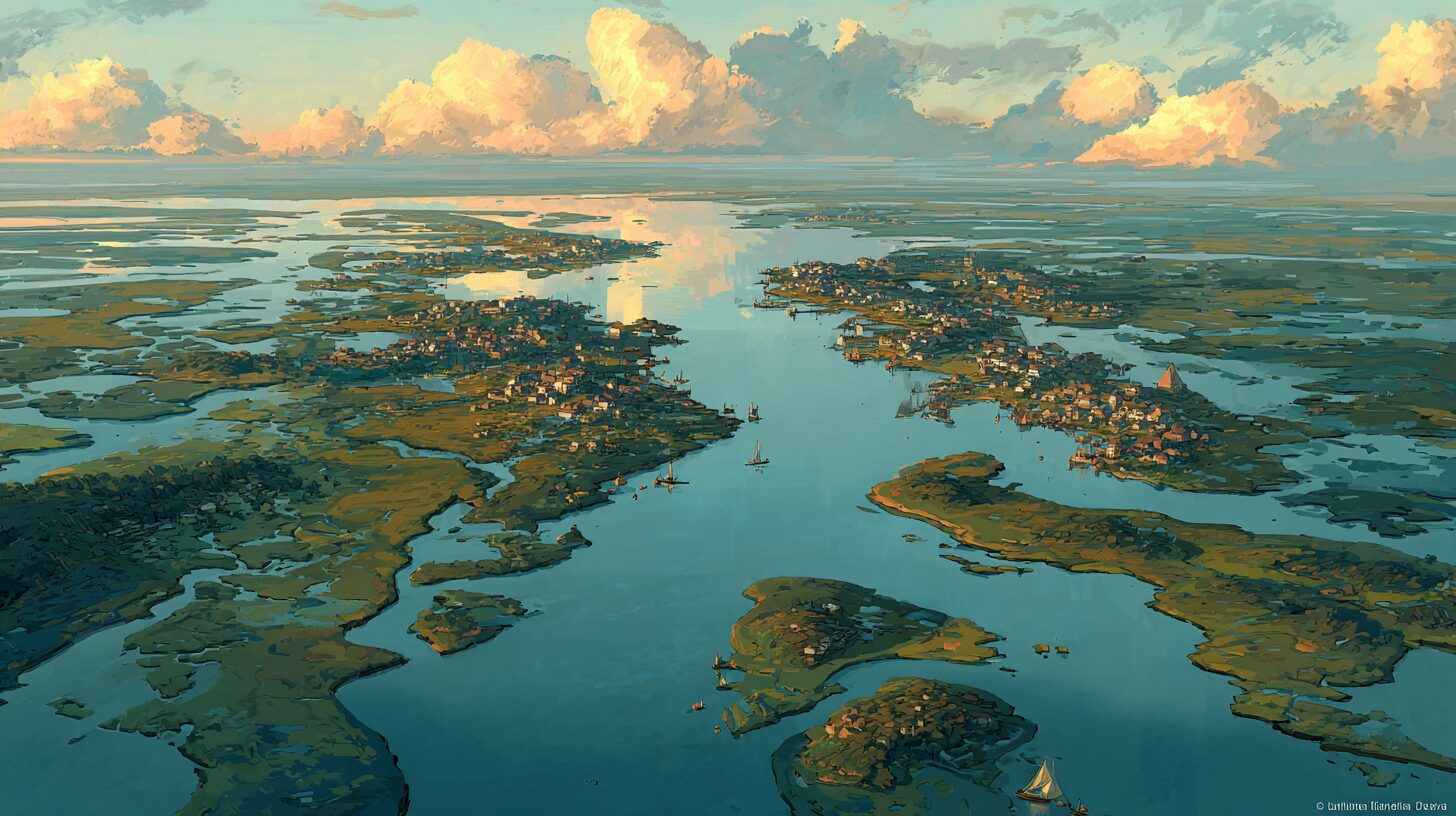
The Thames Estuary is not the real story. It is merely a useful example. The same questions are emerging in low-lying regions around the world. Bangladesh. The Ganges Delta. Pakistan. Vietnam. Indonesia. Parts of coastal China.
In these places the relationship between people and water may change significantly during the lives of those living there today. The scale is vastly larger. Yet the underlying challenge is the same.
How do societies prepare for environmental change that unfolds over decades? How do they create pathways that allow communities, economies and ecosystems to adapt together? How do they replace the politics of resistance with the politics of preparation?
If we can learn how to manage these transitions in places like the Thames Estuary or the Fens, we may discover approaches that can help elsewhere. Not because the answers are identical. But because the principles are.
Letting the water back in
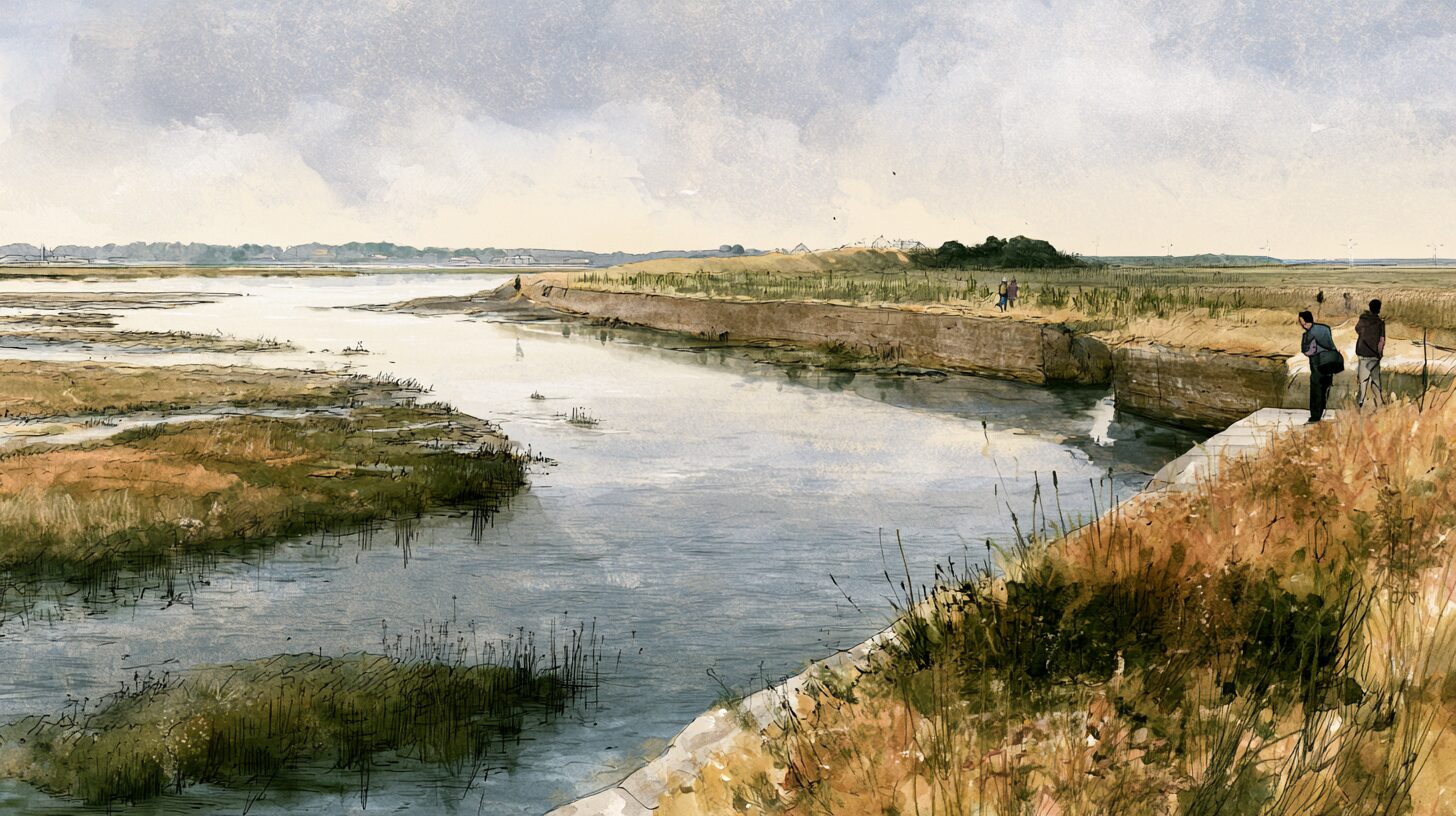
The title is intentionally provocative. It sounds like surrender. It is not. It is a recognition that some of the landscapes we inherited were themselves products of earlier change. The Victorians reshaped water. The Dutch reshaped water. Generations before them reshaped water.
The challenge facing our generation is different. We are no longer deciding how to keep every drop out. We are deciding where to defend, where to adapt and where to create new futures.
That requires a longer view. A willingness to think beyond political cycles. A recognition that landscapes are living systems rather than fixed objects. And above all, a commitment to act before change becomes crisis.
The lesson is surprisingly simple.
We cannot stop every landscape from changing. But we can decide whether change arrives as collapse or as preparation.
That choice remains ours.